


COLLEZIONE DIPINTI CASA MUSEO GAETANO MINALE - ATESSA


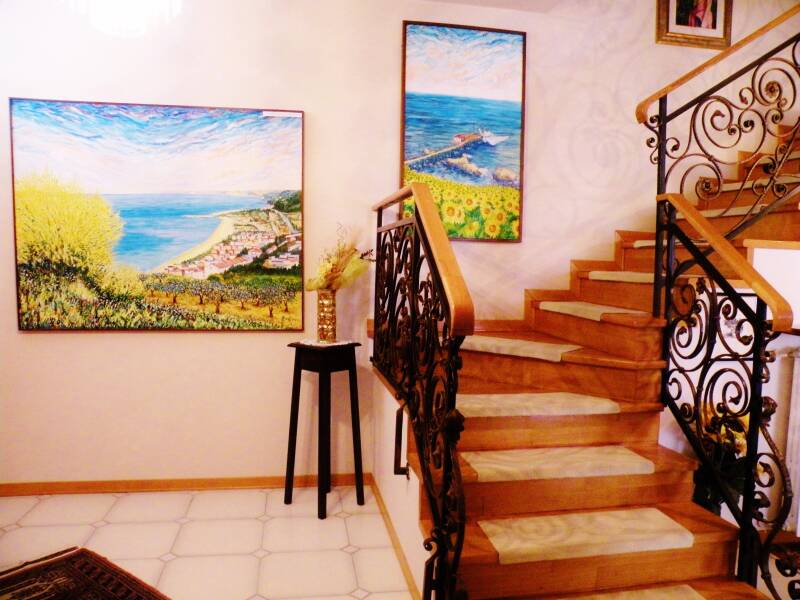

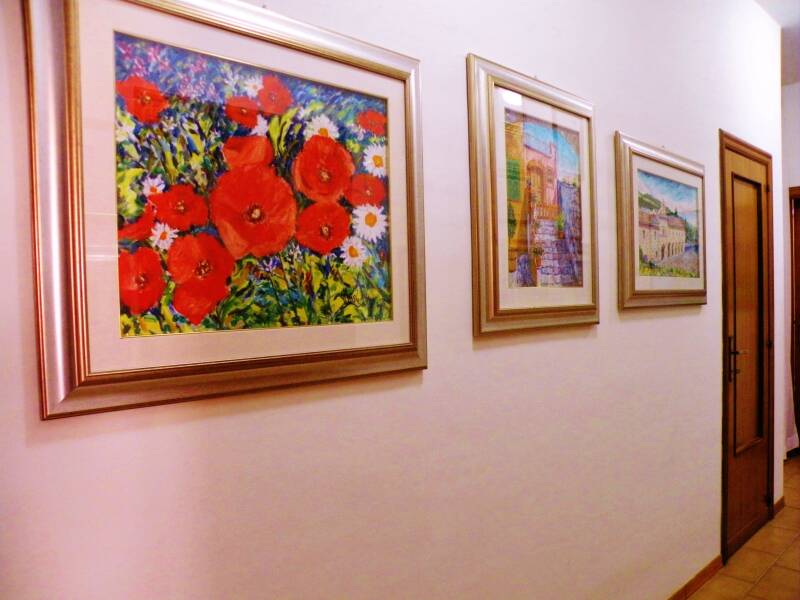

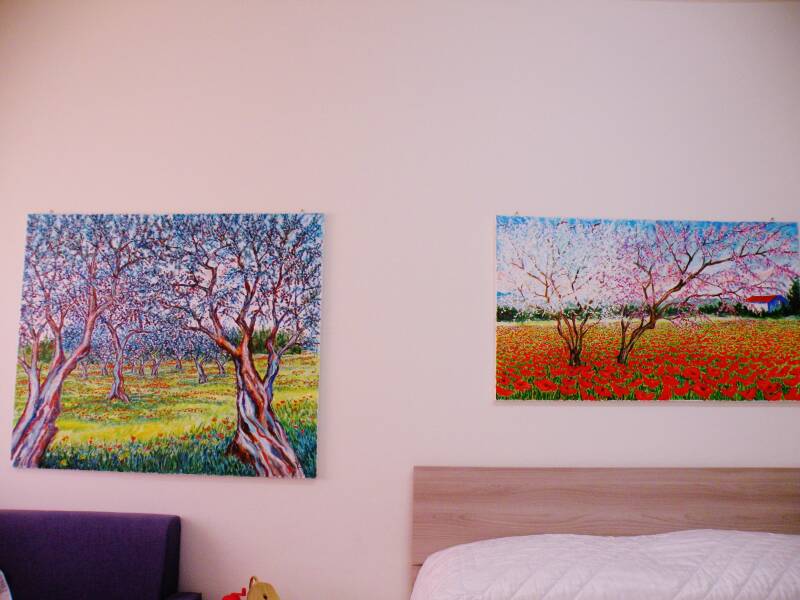
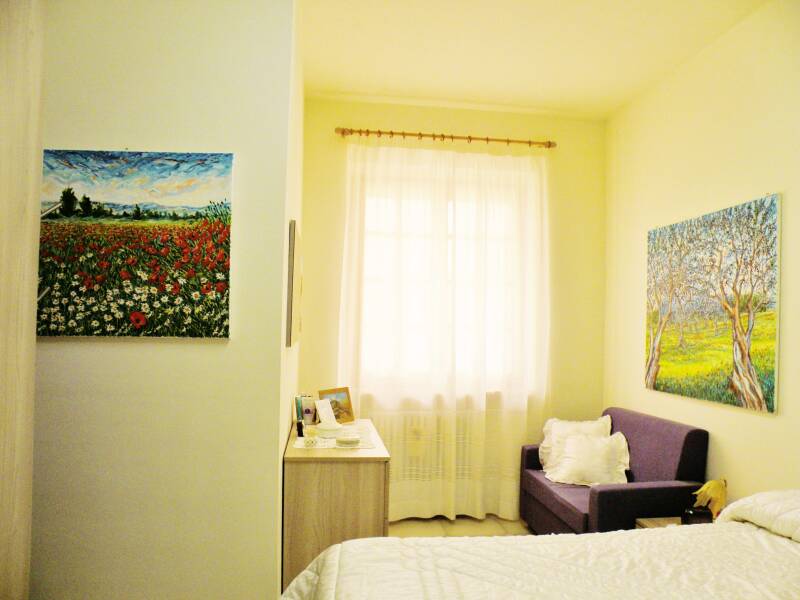
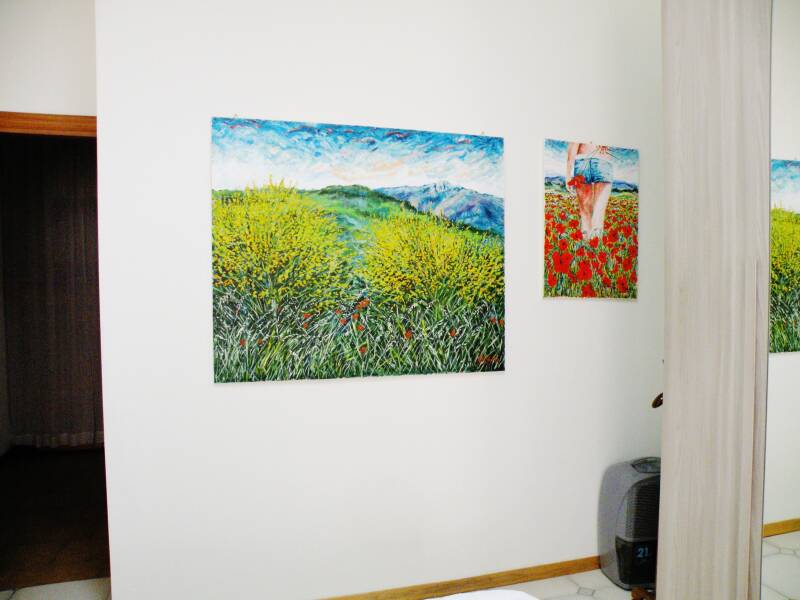


Gaetano MinaleAuditorium ItaliaIn 2016, with the donation of 105 works of art, 104 ink drawings, and a large oil painting on canvas, our fellow citizen Gaetano Minale significantly enriched the museum collection of the city of Atessa. His gesture of generosity and foresight follows in the footsteps of other prestigious donations from illustrious patrons, such as Alfredo Paglione and Valter Storto, but is also marked by a unique emotional stamp, as he himself is the author of the donated works, which depict panoramas, views, and angles of Atessa, which he experienced intensely and which he imprinted with great expressive power in the texture of the drawings over the course of several decades.Gaetano Minale's artistic career, which drew strength of character and a gentle, polite reserve from his native Agnone, has unfolded over the years in a crescendo of successes and acclaim, bringing him to the attention of the public and critics locally, nationally, and internationally. This is evidenced by the more than 120 exhibitions held in Italy and abroad, the numerous awards he has received, the citations of art critics in their repertoires and publications, and the honorary appointments as a member of prestigious academies.In his ink works, he interprets the landscape of Atessa in a highly personal way, with intense vibrations of color emanating from his vigorous and decisive brushstrokes, yet rigorous and incisive in their linearity and volumetric compactness. The city skyline, superb and imposing, as it appears to those traveling along the road descending from Tornareccio, is rendered with almost photographic precision. In the oil landscape, it is illuminated with life and meaning by the blinding light of the broom bushes, which cast flashes, suggestions, and allegorical references on the architectural fabric and the folds of the hills that reach into the sky. All the ink works exhibited in the foyer of the Auditorium Italia trace his inner journey and mark his developing artistic maturity. They can therefore be considered true "landscapes of the soul," rich in naturalistic, historical, and architectural memories, projections of a multifaceted experience, imprinted in the linearity of the line with the same dazzling immediacy of the photographic lens, yet rendered supple and vibrant with emotion by the painter's skillful creative direction.The final outcome, the completed work, is therefore an exclusive concentration of aesthetic sensitivity and technical mastery. With the variety of inks and pens used, Minale achieves truly surprising effects, employing with ever-increasing skill all the tools and mediums that complement and assist his ink drawing. In his graphic language, he sheds the chromatic opulence of oils and favors the "mystery" of black and white, which enhances the evocative quality of the image. Even when the ink is adorned with color, the choices are sober and essential, departing from the pictorial modules that characterize his oil paintings.
His love for the city ignites his watchful eye, ready to capture particular angles, architectural details, and artistic motifs of monuments and churches that convey its history and human and social codes. Each individual drawing represents a story in itself, a segment of total reality, but at the same time the projection of a particular emotion, a fragment of knowledge that Minale lives and experiences and entrusts to the expressive capabilities of his art to communicate and transmit it to his fellow citizens and to future generations. The visual narrative of the urban and social fabric of Atessa captivates, persuades, and excites, while maintaining the seriousness and reliability of precise and scientific documentary evidence, as in the views of now urbanized landscapes or architectural perspectives altered by subsequent construction. For example, consider the paintings depicting the "new" Sangritana railway station and the surrounding area, completely transformed by the construction of the district court complexes and the Spaventa school; the ancient scenic backdrop of Piazza Santa Croce, with the old houses harmoniously nestled opposite the church façade and now replaced by a more modern building; Piazza Garibaldi with the legendary 'Mbrosio cinema, before the construction of the Vittoria complex; or the lively angle of Via Cesare Battisti with Piazza Oberdan, Sandurrenze, and the Funtane for the Atessa residents, with the colorful gas pumps still immortalized. The communicative immediacy that emanates from the linearity of the line also characterizes the extensive production in ink, with favored subjects being the church facades, sacred buildings, and bell towers that delineate the city's skyline and that are concentrated in the streets, squares, and alleys of the historic center or that dot rural or suburban settings.
In these views, the drawing becomes poetry in the attention to detail and particulars, as in the façade of San Leucio, represented several times, with or without color, to highlight its solemn majesty and historical-religious significance, in concert with the fascinating legends of its origins. In the "visual narrative" of the city of Atessa, the ink drawings depicting the ancient city gates also play a prominent role, steeped in their past and still evocative of traffic, commerce, and the flow of people, merchants, pilgrims, and armies. Gaetano Minale's collection, therefore, bears the "color of time" with its memories, events, and histories. Located in the spaces adjacent to the Vittoria complex's multipurpose hall, it is one of the hubs of an "art and culture trail" that can be traced within the historic center and has its opposite pole in the former church of San Pietro in Largo Castello, home to the permanent exhibition "The Colors of Water." Significant and prestigious intermediate stops on this trail, constructed from 2010 to 2017 with the collaborative efforts of the municipal administration and the MuseAte Foundation, are now well-established and well-known entities within and beyond the region: the Aligi Sassu Museum, the Storto-Vaselli Art Collection, the Municipal Historical Archives, the United Historical Archives of the Church of San Leucio, the numerous churches in the historic center, and the display case containing the treasures of San Leucio.A rich legacy of art and culture, to be experienced and brought to life dynamically, protected and enhanced, which Gaetano Minale has enhanced, embellished, and enriched with the expressive power of his artistic creations, donated to the city with great generosity and refined sensitivity.
ADELE CICCHITTI
HOUSE MUSEUM
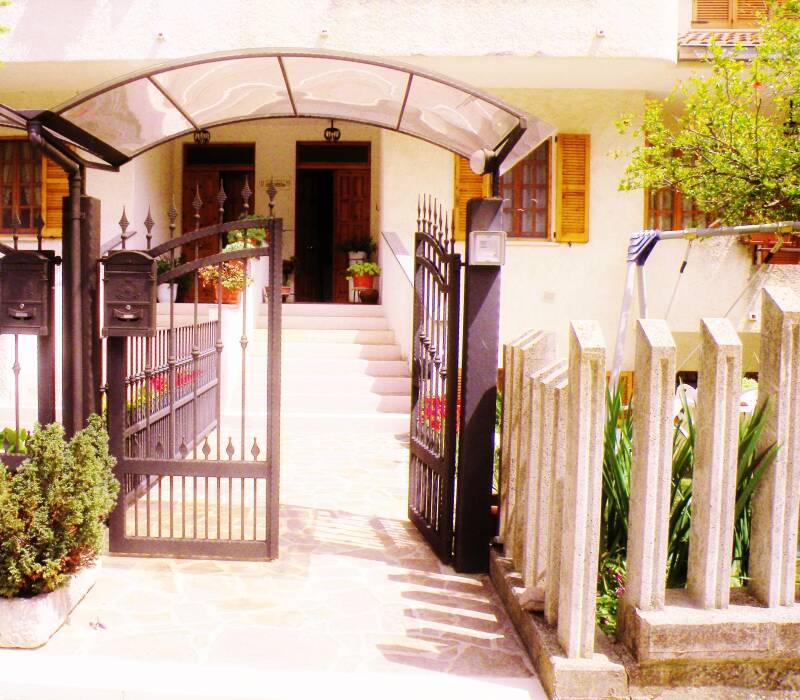
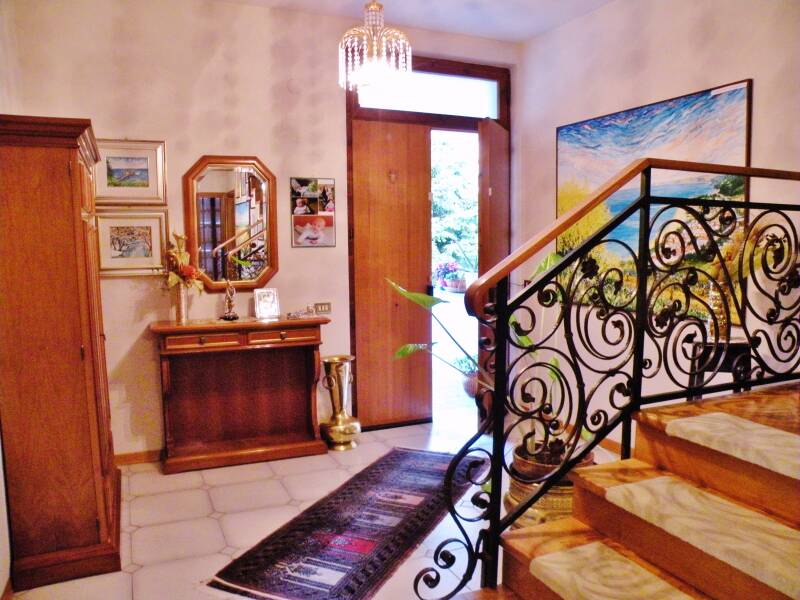
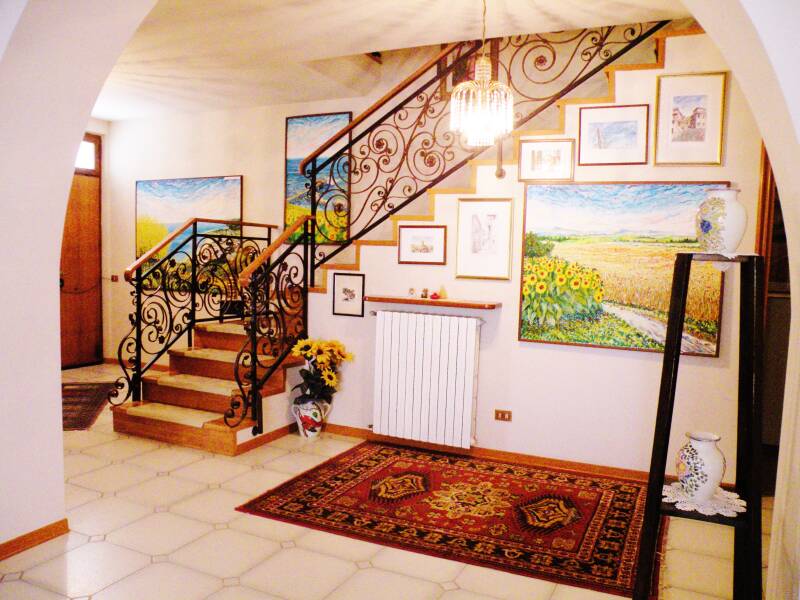
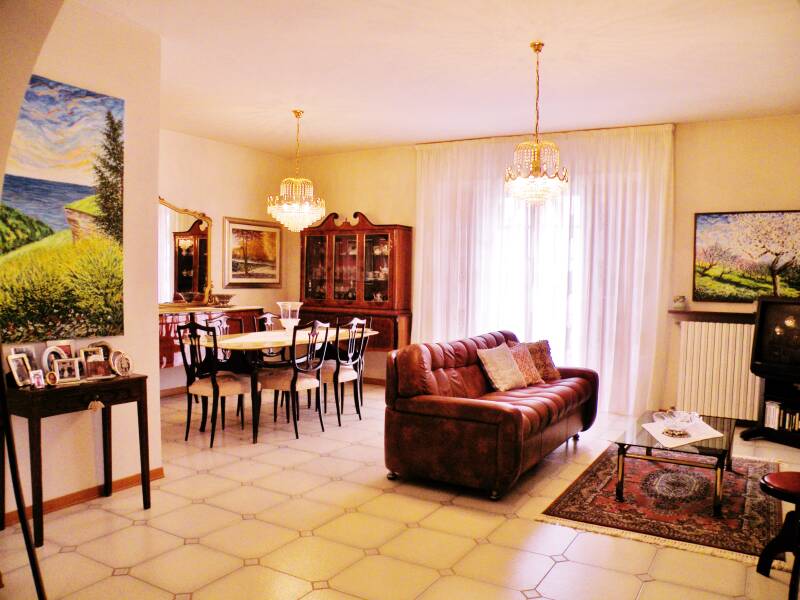
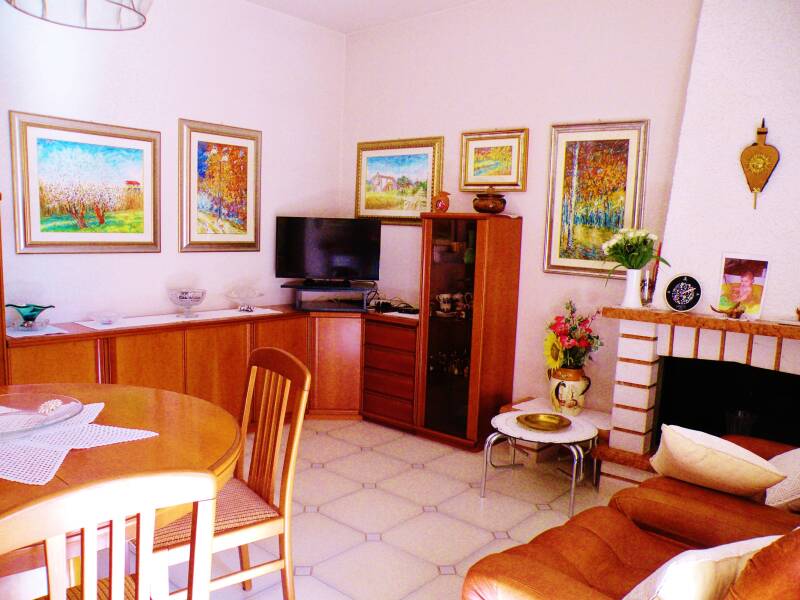
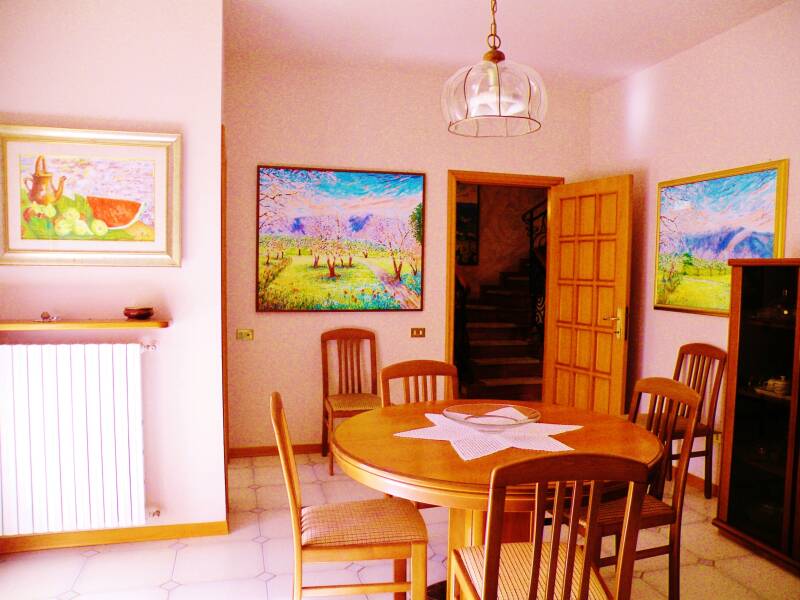
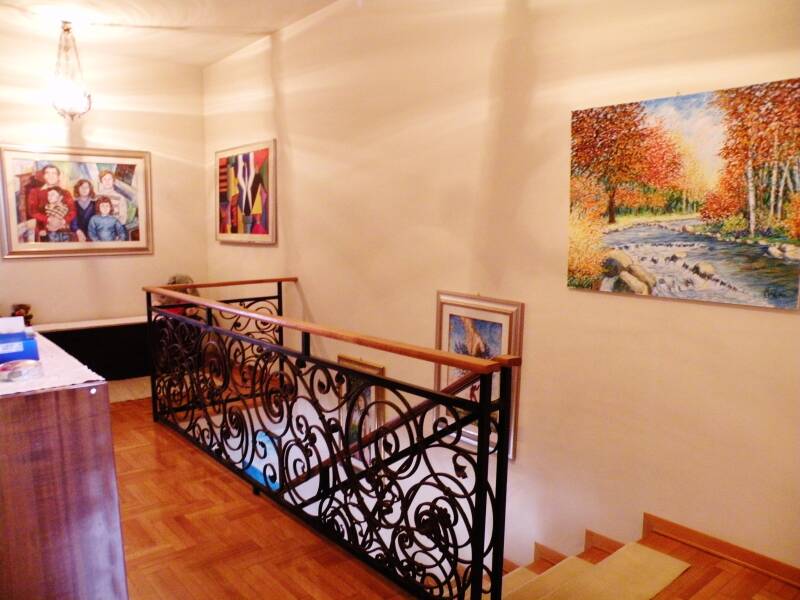
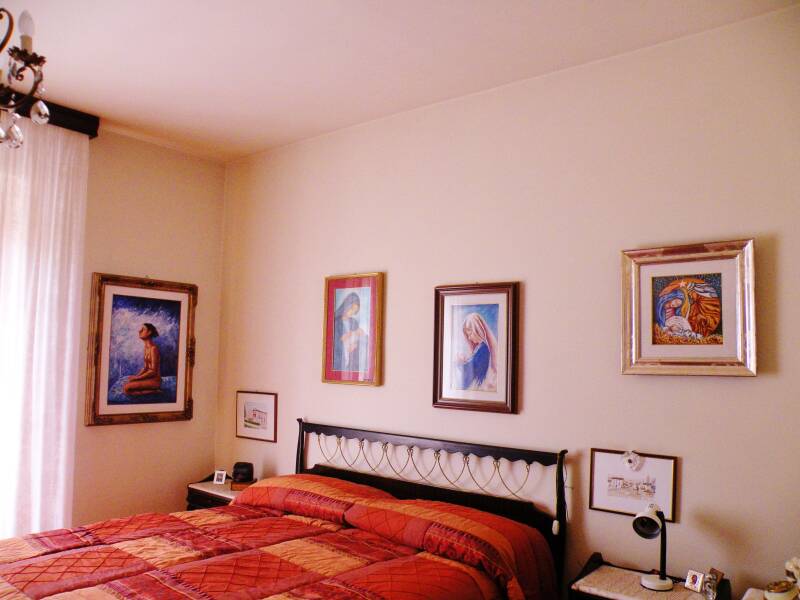
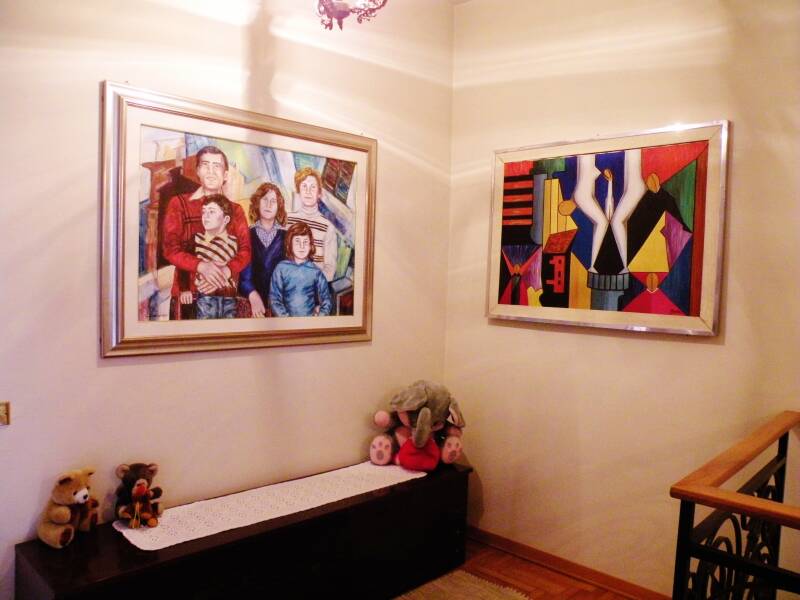
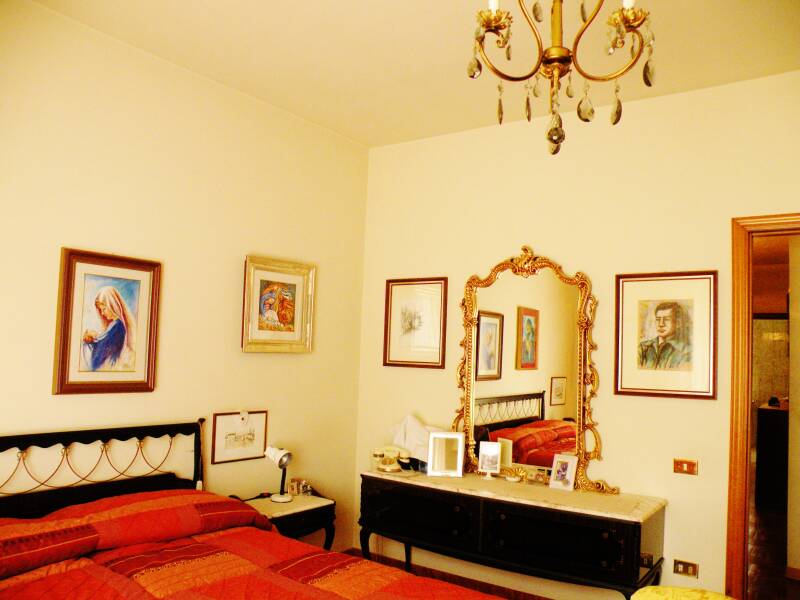
Casa Museo The Gaetano Minale House Museum is a museum located in the Italian town of Atessa, in the province of Chieti. The museum is dedicated to the life and works of the famous Italian painter Gaetano Minale, born in Agnone (IS) in 1938. The museum is housed in Minale's home and contains a collection of paintings, drawings, and personal items.
The museum is divided into two sections: the first is dedicated to Minale's life and works, while the second is dedicated to his artistic and cultural heritage. In the first section, visitors can admire a collection of paintings and drawings created by Minale, as well as personal items such as photographs, letters, and documents. The second section contains a selection of works by Minale's contemporaries.The museum also features a library and a study center, where visitors can learn more about Minale's life and works. Additionally, the museum hosts a variety of cultural events, such as lectures, conferences, and seminars.The Gaetano Minale House Museum is a must-see for those interested in Italian art and culture. The second section contains a selection of works by Minale's contemporaries.The museum also features a library and a study center, where visitors can learn more about Minale's life and work. Additionally, the museum hosts a variety of cultural events, such as lectures, conferences, and seminars.The Gaetano Minale House Museum is a must-see for those interested in Italian art and culture. Its collection of works by Minale provides insight into the life and work of one of Italy's most important painters, while its selection of works by his contemporaries offers a unique glimpse into the Italian art scene of the early 20th century.
ITALIANO CASA MUSEO
Il Museo Casa Gaetano Minale è un museo situato nella città italiana di Atessa, nella provincia di Chieti. Il museo è dedicato alla vita e alle opere del famoso pittore italiano Gaetano Minale, nato ad Agnone - IS - nel 1938. Il museo è ospitato nella casa dove abita Minale e contiene una collezione dei, dipinti, disegni, e cose personali.
Il museo è diviso in due sezioni: il primo è dedicato alla vita e alle opere di Minale, mentre il secondo è dedicato al suo patrimonio artistico e culturale. Nella prima sezione, i visitatori possono ammirare una collezione di , dipinti e disegni creati da Minale, nonché oggetti personali come fotografie, lettere e documenti. La seconda sezione contiene una selezione di opere dei contemporanei di Minale, .
Il museo presenta anche una biblioteca e un centro di studio, in cui i visitatori possono saperne di più sulla vita e le opere di Minale. Inoltre, il museo ospita una varietà di eventi culturali, come conferenze, conferenze e seminari.
Il Casa Museo Gaetano Minale è un must per coloro che sono interessati all'arte e alla cultura italiana. La sua collezione di opere di Minale fornisce informazioni sulla vita e sulle opere di uno dei più importanti pittori italiani, mentre la sua selezione di opere dei suoi contemporanei offre uno sguardo unico nella scena artistica italiana dei primi del 20 ° secolo.
Crea il tuo sito web con Webador